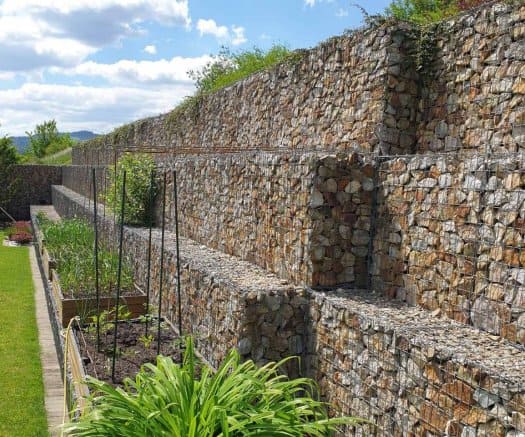

✔ High flexibility: Ideal for uneven terrain and slopes.
✔ Long service life: Resistant to weather and corrosion.
✔ Environmentally friendly: Filled with natural material that supports natural water filtration.
✔ Quick, straightforward installation: No heavy construction work required.
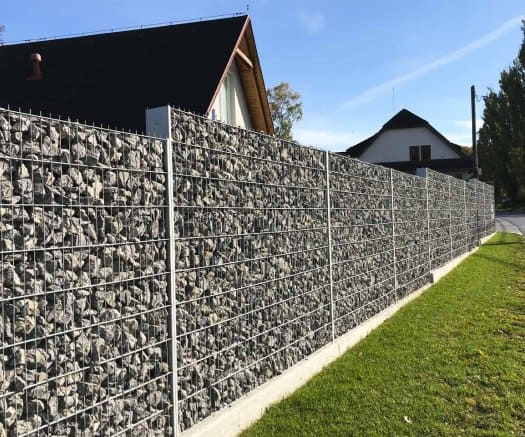
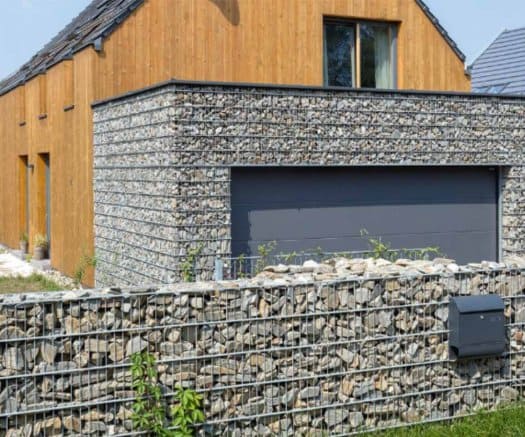
✔ Attractive appearance: A modern, natural look that suits a variety of outdoor settings.
Despite these drawbacks, woven gabions offer notable strengths—especially their flexibility and resilience to deformation caused by soil movement or hydrostatic pressure.
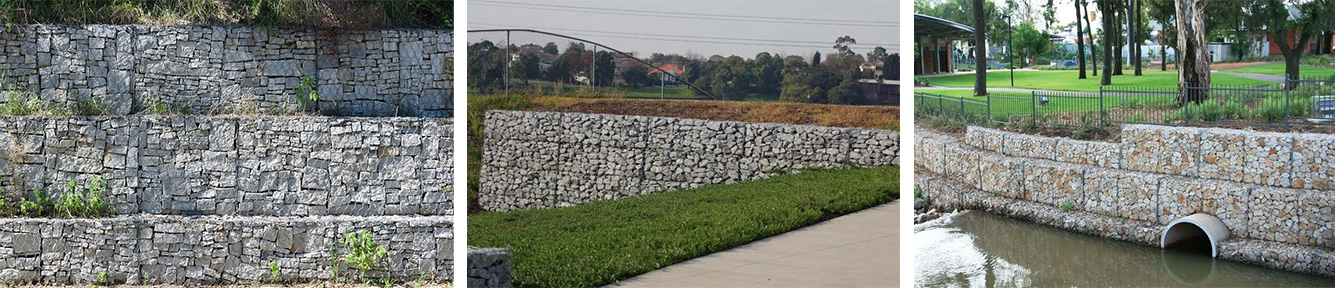
If woven gabions are assembled correctly and with care, they can look just as beautiful and maintain their shape as well as welded gabion panels or baskets.
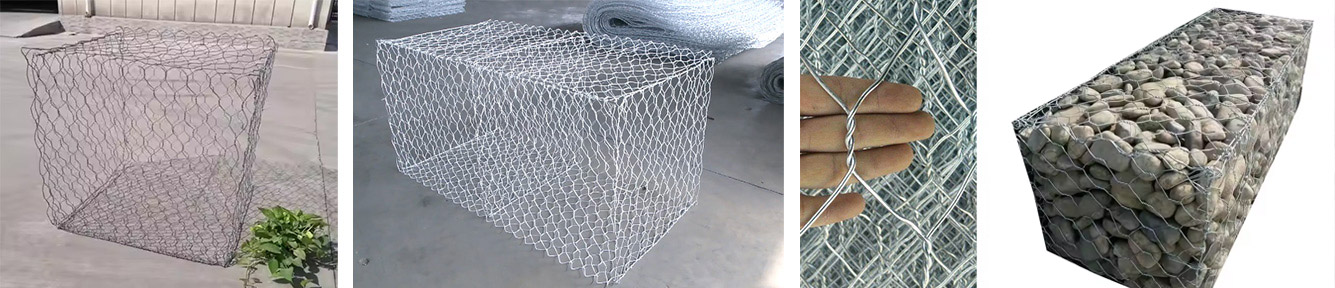
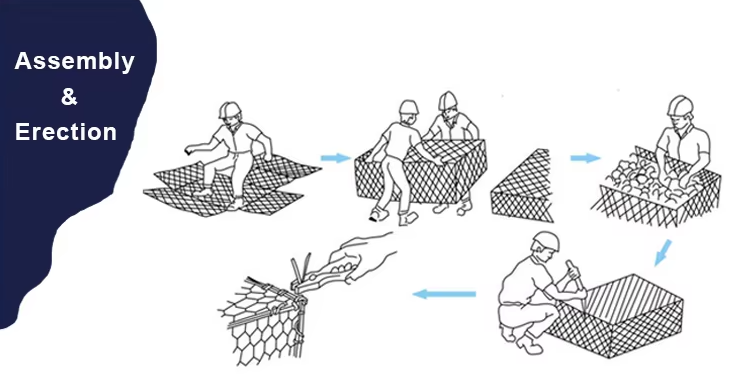
Woven gabions are supplied flat for assembly on site using fasteners, tie wires, or C‑clips. To ensure a neat, straight front face, always brace the face while filling—scaffolding tubes or other suitable spacers help the gabion keep clean lines.


08:00 – 16:00

08:00 – 16:00

08:00 – 16:00

© 2026 GabionyLemon.com | The placement of content on other sites, its dissemination by the press and other media is subject to copyright and isonly possible with the written consent of LEMON trade s.r.o.
created

Secure Payment

✔ High flexibility: Ideal for uneven terrain and slopes.
✔ Long service life: Resistant to weather and corrosion.
✔ Environmentally friendly: Filled with natural material that supports natural water filtration.
✔ Quick, straightforward installation: No heavy construction work required.
✔ Attractive appearance: A modern, natural look that suits a variety of outdoor settings.
Despite these drawbacks, woven gabions offer notable strengths—especially their flexibility and resilience to deformation caused by soil movement or hydrostatic pressure.
If woven gabions are assembled correctly and with care, they can look just as beautiful and maintain their shape as well as welded gabion panels or baskets.
Woven gabions are supplied flat for assembly on site using fasteners, tie wires, or C‑clips. To ensure a neat, straight front face, always brace the face while filling—scaffolding tubes or other suitable spacers help the gabion keep clean lines.
08:00 – 16:00
08:00 – 16:00
08:00 – 16:00